Hair loss in women can be caused by hormonal changes, genetic factors, certain health problems, nutritional deficiencies or other reasons. For this reason it is important to investigate the cause of hair loss before planning a hair transplant for women.
When hair loss is still active, the cause must first be identified and the necessary assessments made, rather than planning a transplant directly.
Assessment Before a Female Hair Transplant
The cause of hair loss in women can differ from hair loss in men. A comprehensive assessment is important, especially when hormonal causes or female-pattern hair loss are involved.
For this reason, depending on the patient's condition, comprehensive hormone and other necessary blood tests may be requested before a hair transplant.
The results, the cause of hair loss and the existing hair structure are assessed together to determine whether a hair transplant is suitable.
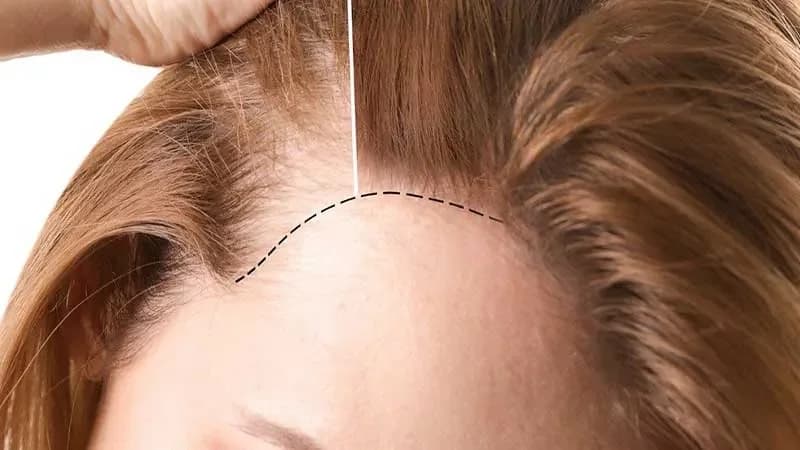
In women with male-pattern hair loss in particular, there may be a receding hairline or a clear regional bald area. In this case, the adequacy of the donor area and the state of the hair loss are assessed separately.
Unshaven DHI Hair Transplant for Women
In female hair transplants, preserving the existing hair and making the transplant look as natural as possible afterwards are important.
That is why unshaven hair transplant is one of the options we frequently choose for female patients.
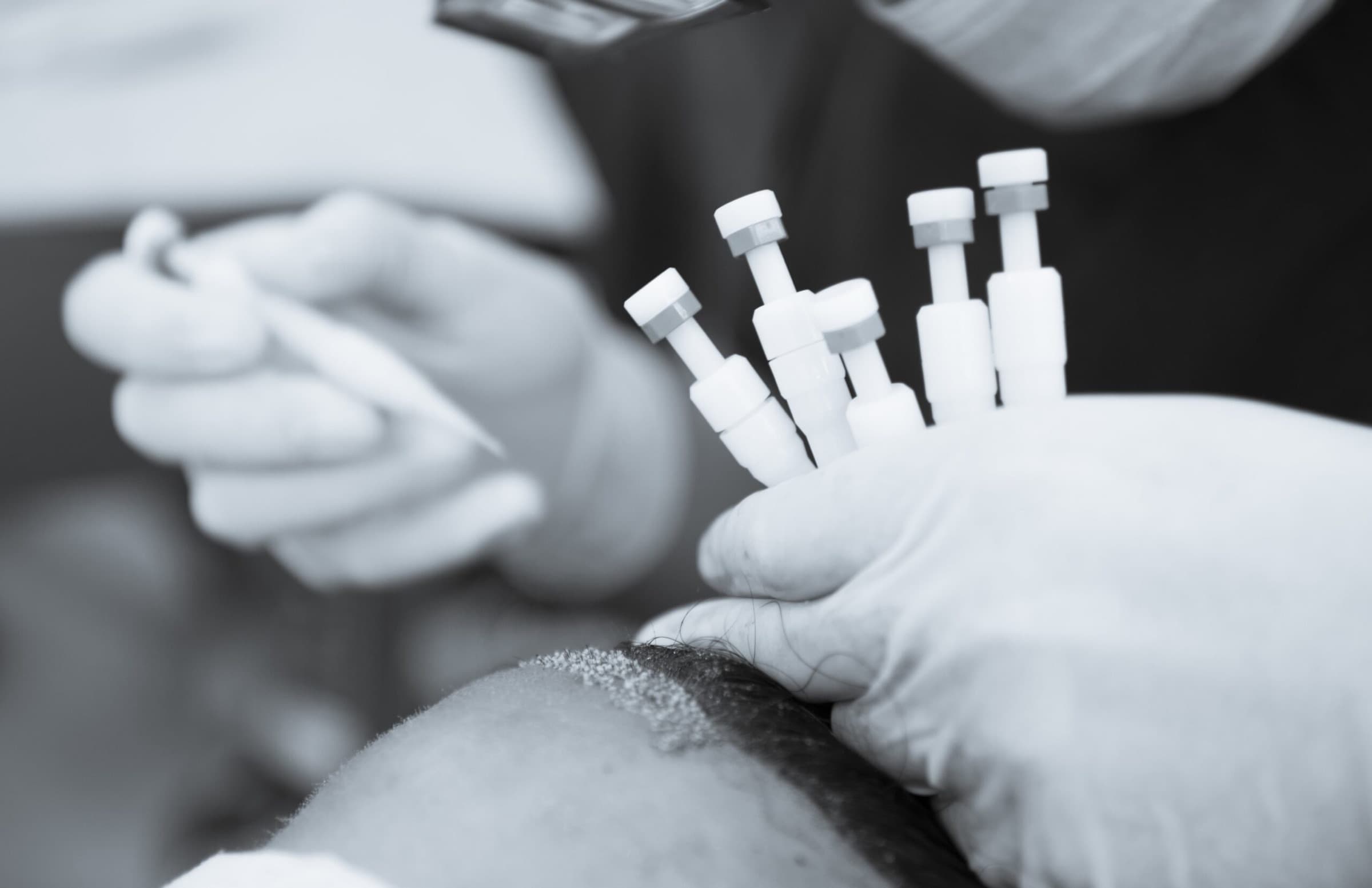
With the DHI method, work can be done between the existing hair without shaving the recipient area. Follicles taken from the donor area with the FUE method are placed directly into the recipient area using special Choi pens.
The direction and angle of the follicles are planned according to the natural exit directions of the existing hair.
How Is DHI Hair Transplant Performed for Women?
The procedure is performed under local anaesthesia.
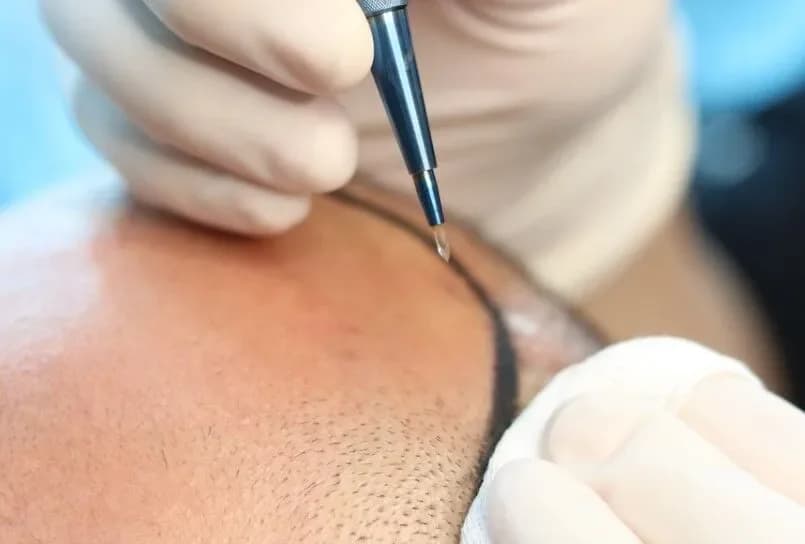
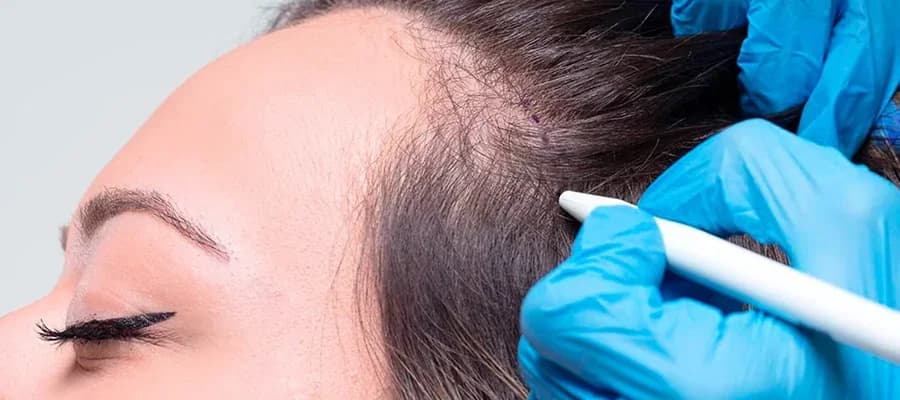
First, the hairline, current density, bald areas and donor area are assessed. A personalised hairline is planned according to the patient's face structure and expectations.
Suitable follicles are taken one by one from the donor area with the FUE method. The prepared grafts are loaded into Choi pens and transferred directly to the recipient area.
Because the DHI method does not require channels to be opened in advance, controlled placement is possible, especially when working between existing hair.
Forehead Reduction and Hairline Design for Women
A female hair transplant is not done only to fill bald areas caused by hair loss.
When the forehead is wide or the hairline sits too far back for the person, moving the hairline forward to reduce the forehead can also be an aesthetic choice.
In these procedures the aim is not simply to implant more hair but to create a new hairline in harmony with the face's proportions.
The starting point and shape of the hairline and the direction of the follicles are planned according to the person's face structure.
Who Is a Female Hair Transplant Suitable For?
A female hair transplant may be considered for:
- Women with a clearly receding hairline
- Women who want forehead reduction
- Women with regional hair loss or bald areas
- Women with hair loss due to trauma or similar causes
- Women who want to increase density in certain areas
- Women with male-pattern hair loss
Personalised Hairline Planning
Hairline design for women takes the overall proportions of the face into account.
Forehead width, face shape, current hairline, hair density and the person's expectations are assessed together.
The aim is to create a natural-looking hairline that suits the face, rather than moving it further forward than necessary.
Especially in transplants done for forehead reduction, it is important that the hairline looks natural and blends with the existing hair.
After the Procedure
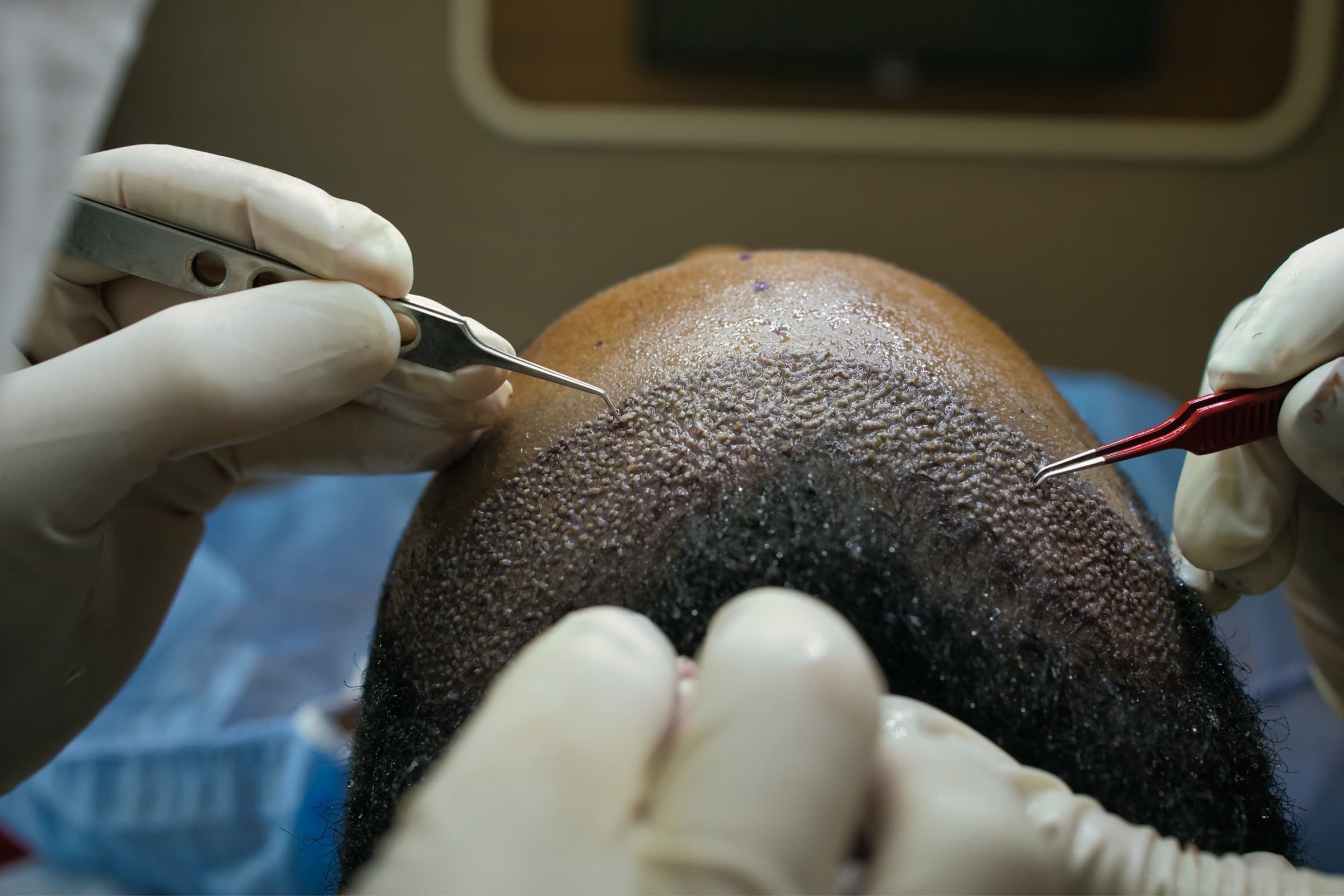
After a DHI hair transplant for women, mild redness, sensitivity and crusting may be seen in the treated area.
The first wash is done on day 3. From the third day, the care and washing method recommended by our clinic is used.
In the first days it is important to protect the treated area and follow the care instructions given.
Shock loss may be seen in the implanted hair in the first months. During this time the visible hairs may fall out, but the follicles remain under the skin.
New hair starts to grow from around the 3rd month. In the following months it continues to grow longer and denser.
The overall look of the hair comes together within 8 months to 1 year, varying from person to person.
Get Information About Female Hair Transplant
For female hair transplants, at Nilhair we do not plan a transplant directly without assessing the cause of hair loss and the existing hair structure.
When necessary, the cause of hair loss is investigated with hormone and blood tests; the hair structure, donor area and recipient area are assessed together to determine the right method.
At our clinic in İzmir, we focus on a natural-looking result that preserves the existing hair in unshaven DHI hair transplants and hairline design for forehead reduction for female patients.
To get information about female hair transplant and learn the right plan for your hair, you can share up-to-date photos of your hair and donor area with us.